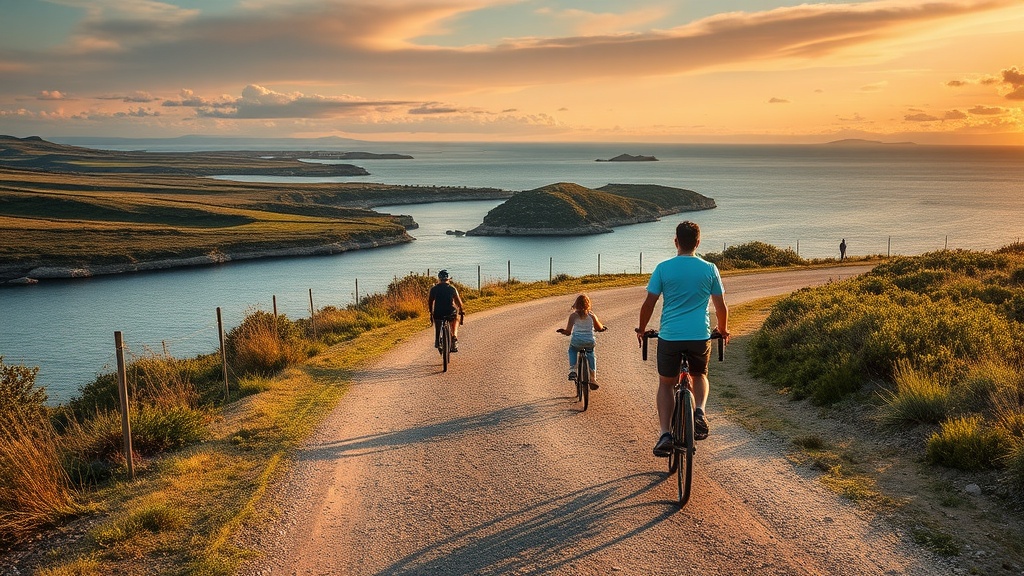
Plan Your Perfect Biking Route Along the L'Île de la Visitation

A cyclist pulls up to a trailhead, checks their tire pressure, and realizes they forgot their water bottle back at the car. They look at the map, see a winding path ahead, and realize they aren't quite sure if the path is paved or gravel. This is exactly why having a concrete plan for your ride matters.
This guide breaks down how to map out, prepare for, and enjoy a cycling route around the L'Île de la Visitation area. We'll look at the best paths, what gear you actually need, and how to time your ride to avoid the heat or the crowds. It’s about making sure you spend more time pedaling and less time wondering if you're on the right track.
What is the Best Time to Bike L'Île de la Visitation?
The best time to bike the L'Île de la Visitation routes is during the late spring (May/June) or early autumn (September/October) to avoid the peak humidity of a Quebec July. While summer is popular, the heat in the St. Lawrence Valley can be brutal if you're riding on exposed paths.
If you're a weekend warrior, aim for a weekday morning. Most families and casual strollers hit the trails on Saturday afternoons—it gets busy. By riding at 8:00 AM on a Tuesday, you'll have the view to yourself. It's much quieter, and the air is still crisp.
Keep in mind that the weather in the South Shore can shift quickly. One minute it's sunny, the next you're dodging a sudden thunderstorm. Always check the Environment Canada weather report before you head out of the garage.
What Gear Do I Need for a Long-Distance Ride?
You need a well-maintained bicycle, a helmet, a hydration system, and a basic repair kit to safely complete a long-distance ride. While you don't need professional-grade racing gear, skipping the basics can end your ride early.
Don't overthink it, but don't be unprepared either. I've seen too many people head out with just a phone and a prayer. Here is a quick checklist of what actually matters:
- The Bike: Ensure your brakes are responsive and your tires aren't low on air.
- Hydration: A dedicated water bottle or a hydration bladder (like a CamelBak) is a must.
- Safety: A helmet is non-negotiable. If you're riding near traffic, a small rear light helps visibility.
- Repair Kit: A spare tube, tire levers, and a small pump.
- Navigation: A phone with a GPS app or a dedicated cycling computer.
If you're planning on stopping for a snack after your ride, you might want to grab a fresh baguette or some local treats nearby to fuel up. There's nothing quite like a fresh carb load after ten kilometers of pedaling.
Choosing Between Road and Gravel Bikes
The choice depends on whether you want to stay on paved paths or explore the softer, unpaved sections near the water. Most of the main thoroughfares around the island are paved, but side paths can get a bit gritty.
| Feature | Road Bike | Gravel/Hybrid Bike |
|---|---|---|
| Surface | Smooth pavement | Pavement and light gravel |
| Speed | Fast and efficient | Moderate |
| Comfort | Firm seating | More upright/stable |
| Best For | Speed on main trails | Casual exploration |
How Can I Find the Best Biking Routes?
Use digital mapping tools like Strava or Google Maps, but cross-reference them with local municipal maps to ensure the paths are actually bike-friendly. Digital maps sometimes show roads that are actually quite dangerous for cyclists due to high-speed traffic.
The L'Île de la Visitation area is part of a larger network of trails that connect to the South Shore and even parts of Montreal. If you want a route that feels more "off the beaten path," look for the greenway designations on the Montreal cycling network. Even though you're in Longueuil, these systems are interconnected.
I personally love the routes that skirt the water. The view of the river is spectacular, but the wind can be a real factor. If you're heading "out," you'll be fighting the wind; if you're heading "back," the wind will be at your back (which is a huge relief).
One thing to watch out for: some paths are narrower near the residential areas. You'll want to be mindful of pedestrians, especially if you're on a faster bike. It's common courtesy to ring your bell or call out a friendly "hello" when passing someone walking a dog.
If you're looking for a place to rest after your ride, check out the local spots. After a long stretch of biking, a cold drink is a reward. You might even find yourself exploring the best microbreweries in Longueuil to celebrate a successful outing.
Pro-Tips for a Smooth Ride
Don't just start pedaling blindly. A little bit of prep goes a long way toward a better experience.
- Check the Wind: If the wind is blowing hard from the West, plan your route so the wind is at your back on the way home.
- Hydration Strategy: Don't wait until you're thirsty to drink. Sip regularly.
- Battery Life: If you're using your phone for navigation, bring a small power bank. GPS drains batteries faster than you'd think.
- Footwear: Wear something with a stiff sole if you have clip-in pedals, or just comfortable sneakers if you're riding casually.
It's also worth noting that the terrain around the island is relatively flat. This is great for beginners, but it also means you won't get much "natural" relief from the heat through elevation changes. You'll be in the sun for most of the ride.
If you find yourself with extra energy, don't be afraid to deviate from the main path. The smaller, residential streets often have much less traffic and more shade from the mature trees. It's a great way to see a different side of the neighborhood.
Before you head out, double-check your tire pressure. There's nothing more frustrating than a flat tire five kilometers into a beautiful ride. If you do get a flat, stay calm—it's just a part of the learning process.
Steps
- 1
Check your bike equipment and tire pressure
- 2
Map your route using the local trail markers
- 3
Pack water and sun protection for the ride
- 4
Locate the designated rest areas near the water